Camera trap sponsorship
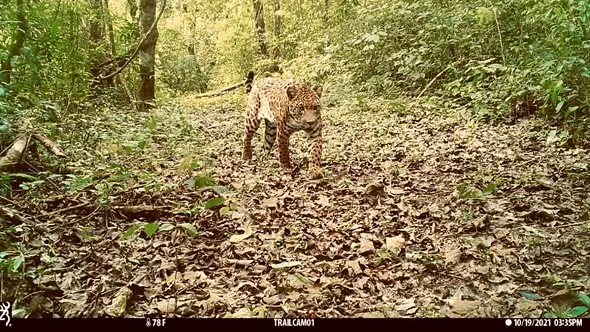
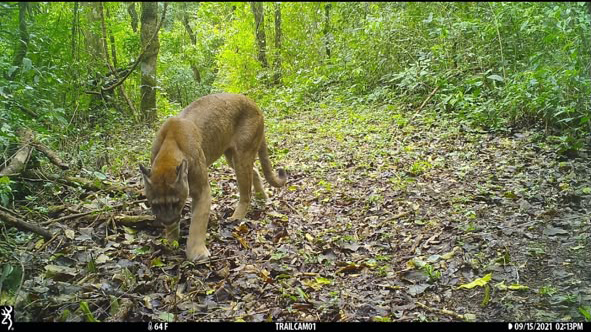
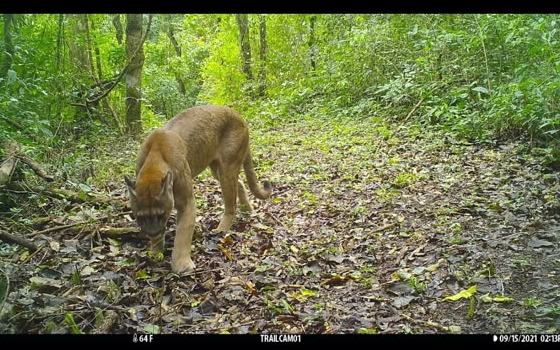
Sponsor one of the reserve's camera traps. Each month we share the images it recorded: who passed by, and at what hour.
Monthly contributionA place that found its guardian.
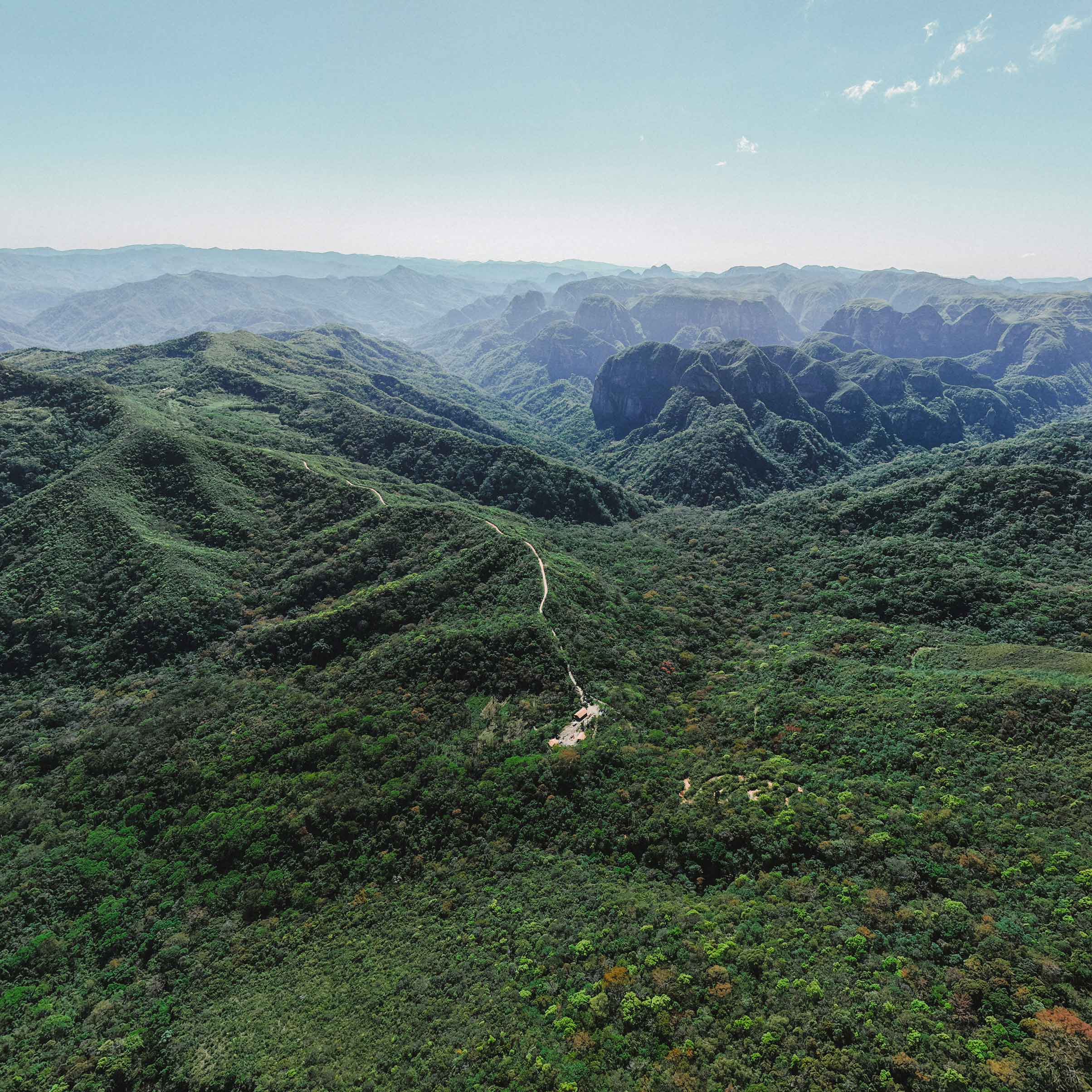
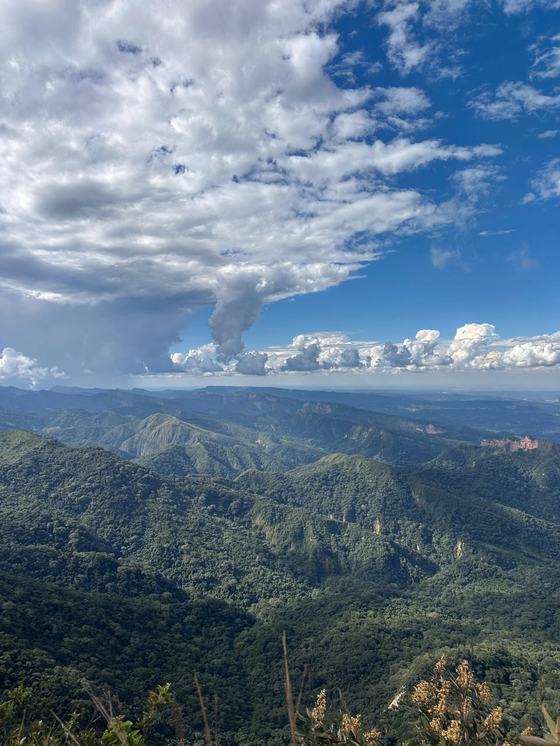
81 km from Santa Cruz de la Sierra, on the road to Samaipata and within the buffer zone of Amboró National Park, Yanapuma safeguards an extraordinary composition of landscapes, microclimates and wildlife.
In Andean-Amazonian tradition, Yanapuma is the black cat that inhabits and protects nature: a figure tied to the balance of the territory and to the idea that the forest deserves respect.
That meaning found a home of its own in this reserve, born in 2019 across 900 hectares where landscapes, vegetation and natural conditions change over surprisingly short distances.
Explore the reserve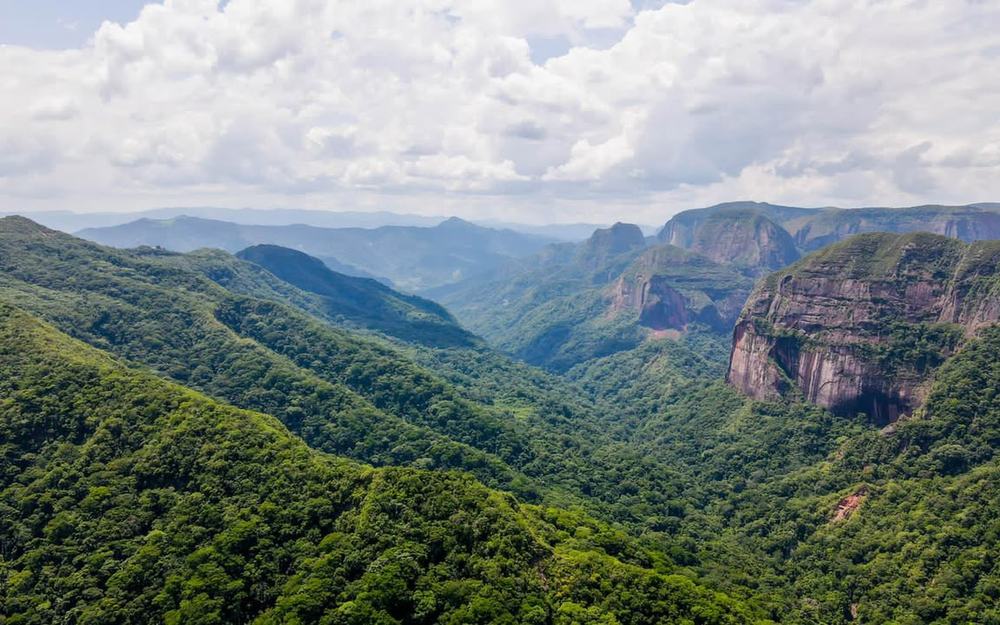
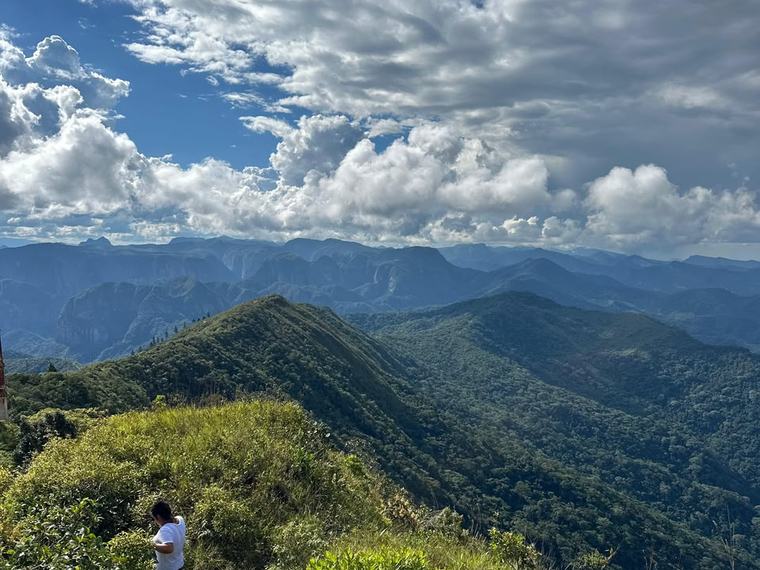
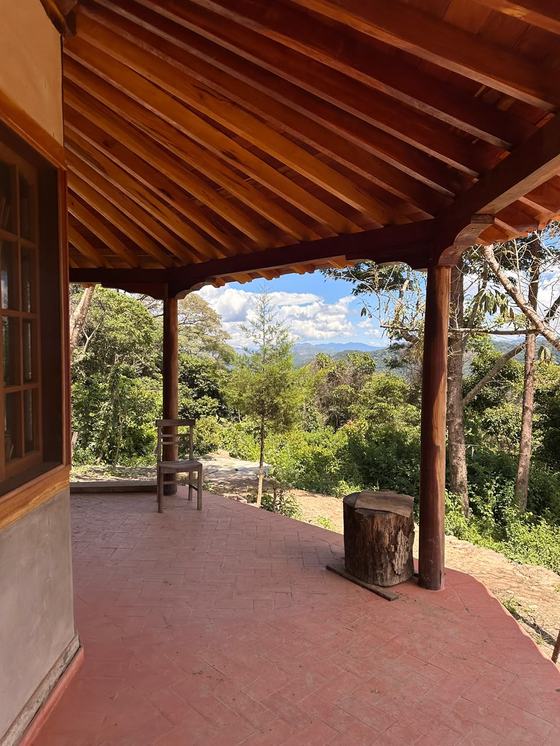
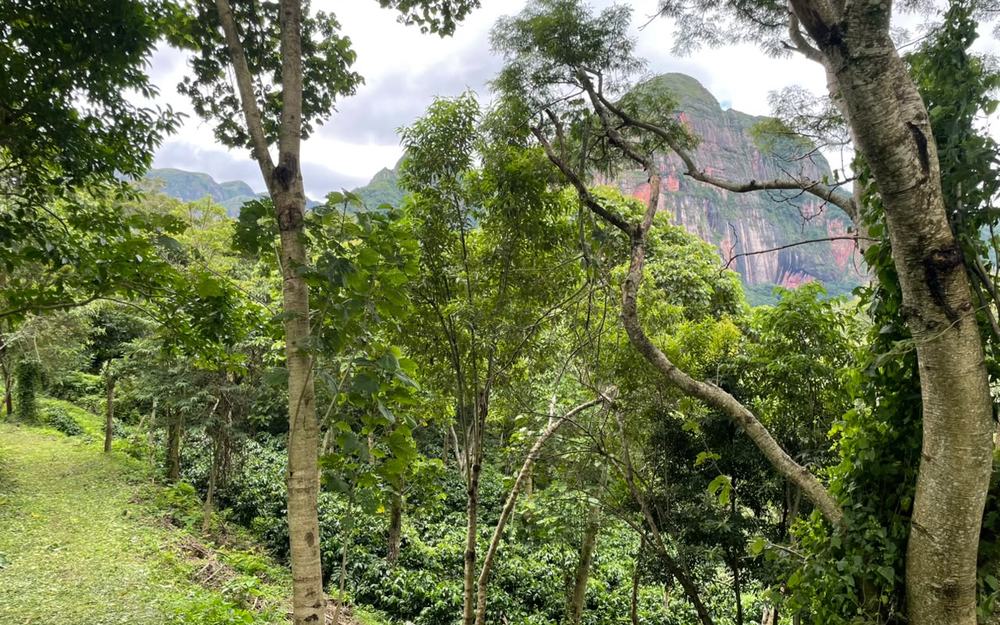
The project covers 1,180 hectares across two properties: Volcanes and Piedras Blancas.
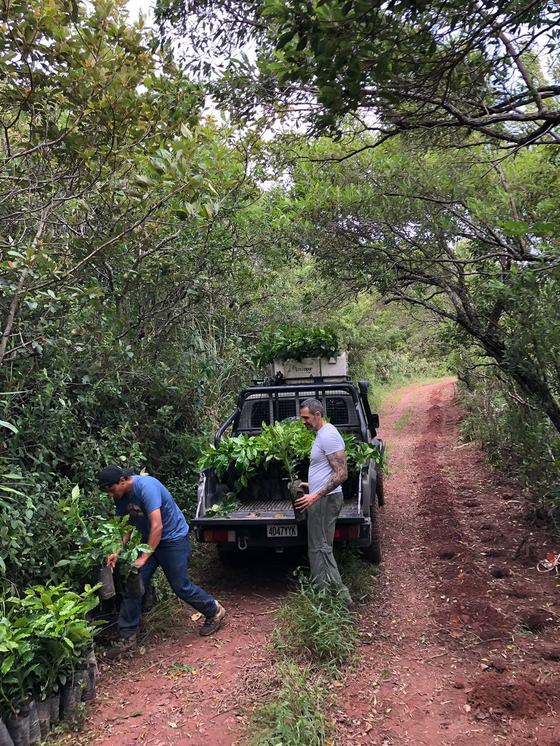
Twenty of those hectares were deforested and are now being restored. The aim is to bring back forest cover until they rejoin the woodland around them.
In partnership with the relevant environmental authorities, Yanapuma runs a custody centre for wild animals that have been trafficked or have lost their habitat.
Each animal receives medical assessment and specialist care, working towards eventual reintroduction into its natural habitat whenever that is biologically viable.
When it is not, the priority is a permanent refuge, in enclosures designed around welfare and environmental enrichment. This is not a place of exhibition.
How the centre worksBirdwatching
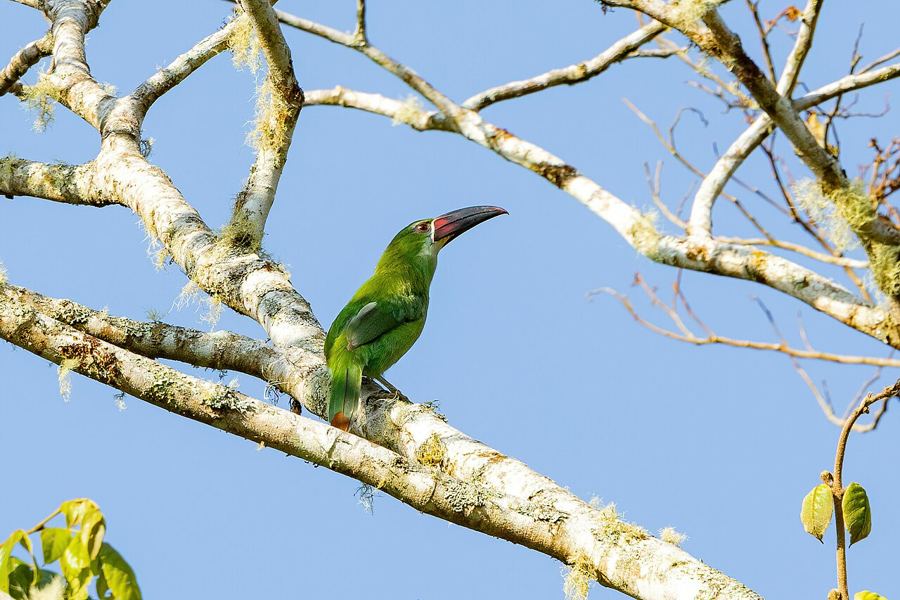
Mountain topography, with no flat ground, makes birds easier to find and follow. Each part of the reserve offers something different depending on the time of day.
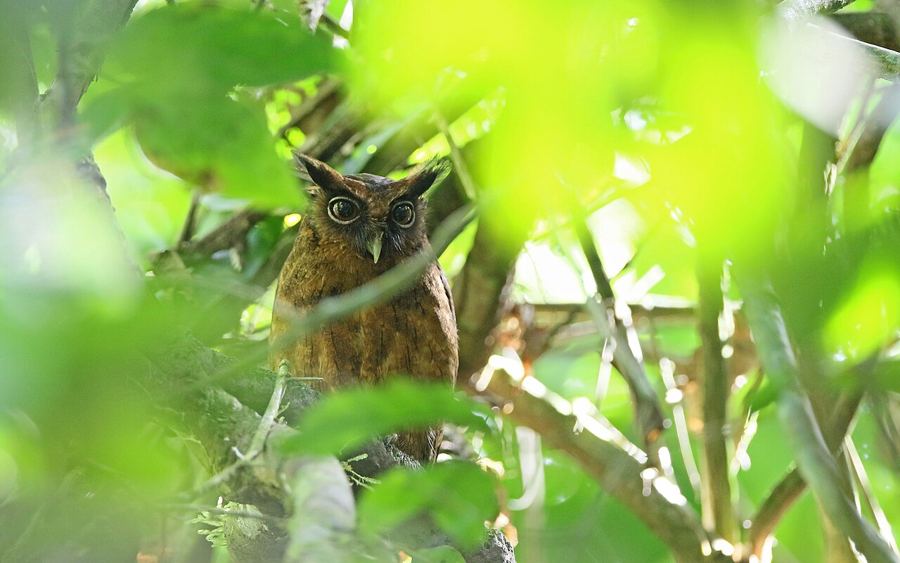
Figures from the Yanapuma Wildlife Sanctuary alto hotspot on eBird; the reserve has other registered points as well. There the Buff-fronted Owl is 231 times more frequent than the regional average.
The model keeps growing.
Sponsor one of the reserve's camera traps. Each month we share the images it recorded: who passed by, and at what hour.
Monthly contributionWalks along trails, waterfalls and lookouts, always accompanied by reserve staff and with limited places.
By prior bookingCafé Tigrenegro, grown under shade inside the reserve. The proceeds go directly to protecting the territory.
Direct purchaseWorking stays alongside the team, on conservation, reforestation and support for the custody centre.
Arranged staysSponsor an animal at the custody centre and receive a monthly report on how its recovery and enrichment are progressing.
Monthly contributionGallery
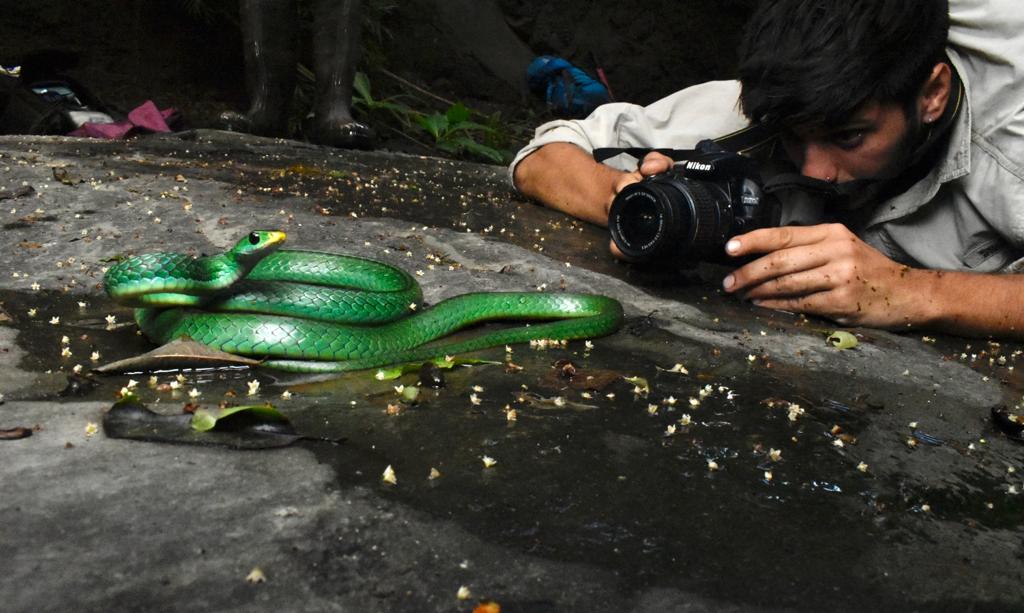
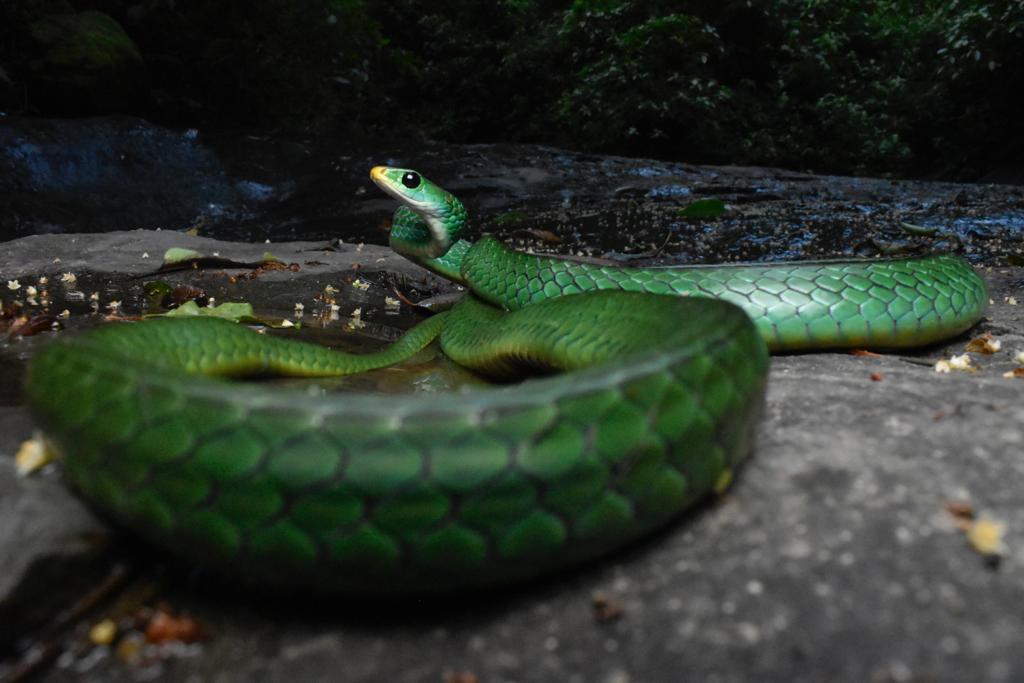
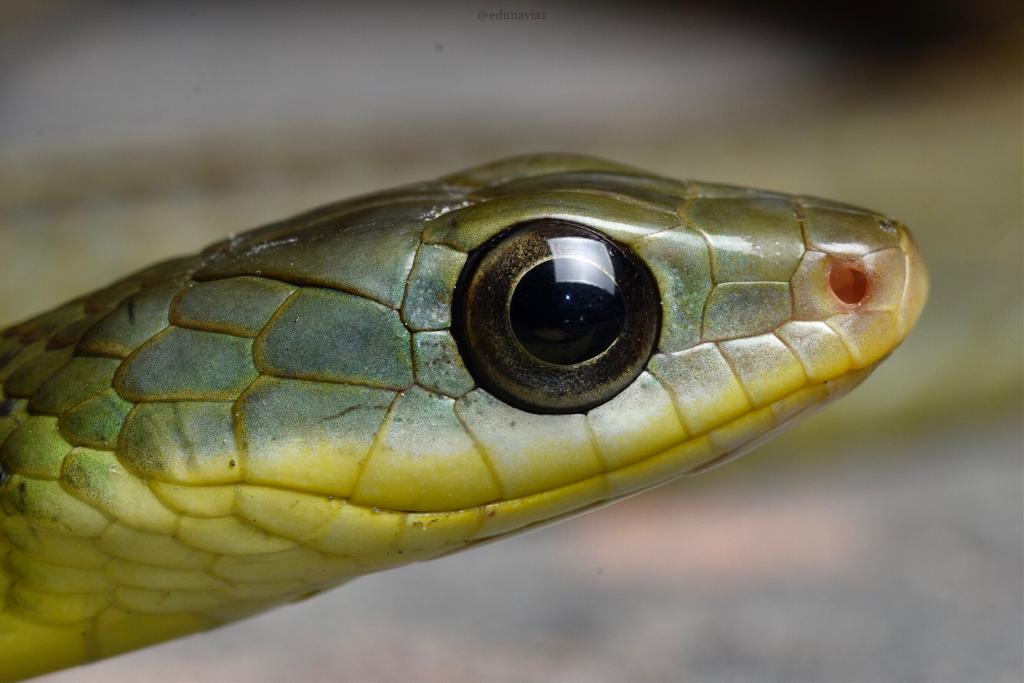
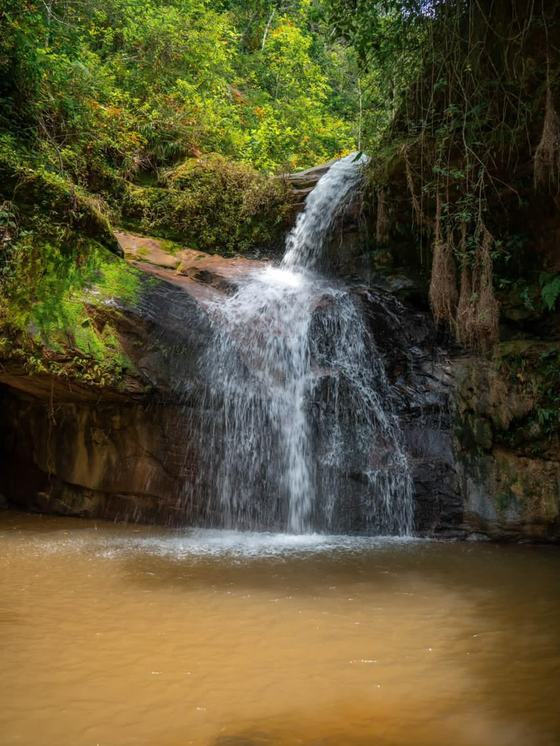

Experiences
Descending to hidden waterfalls and pools flanked by walls of stone.
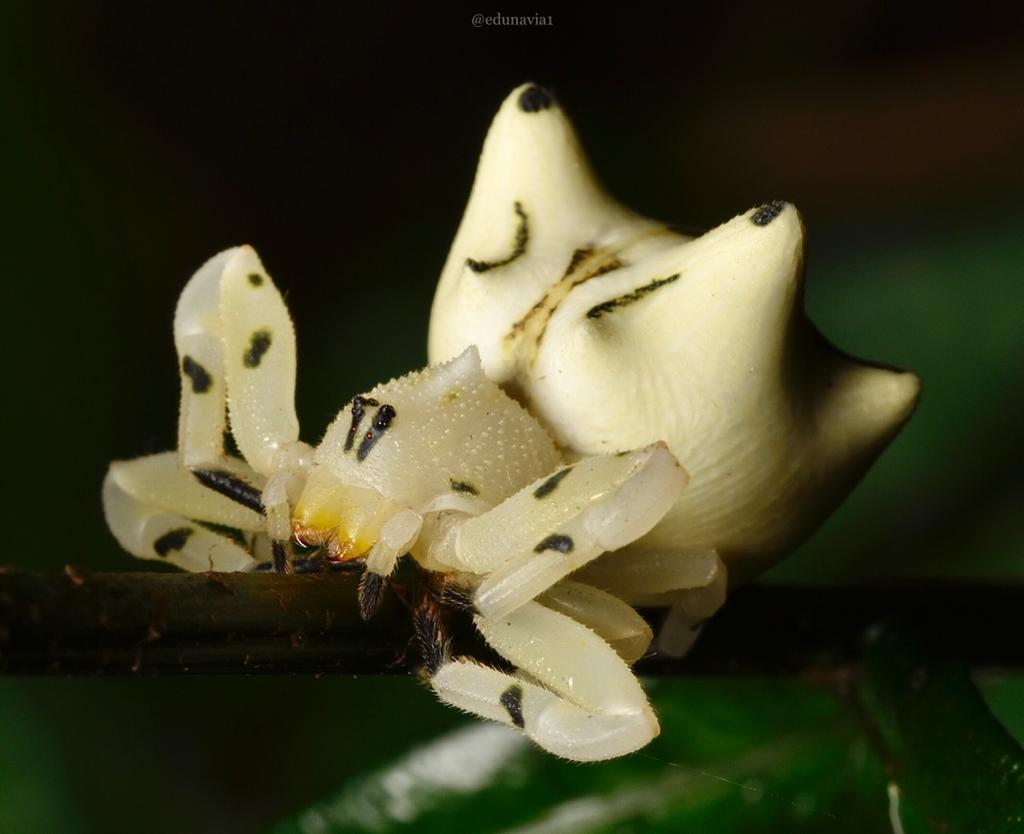
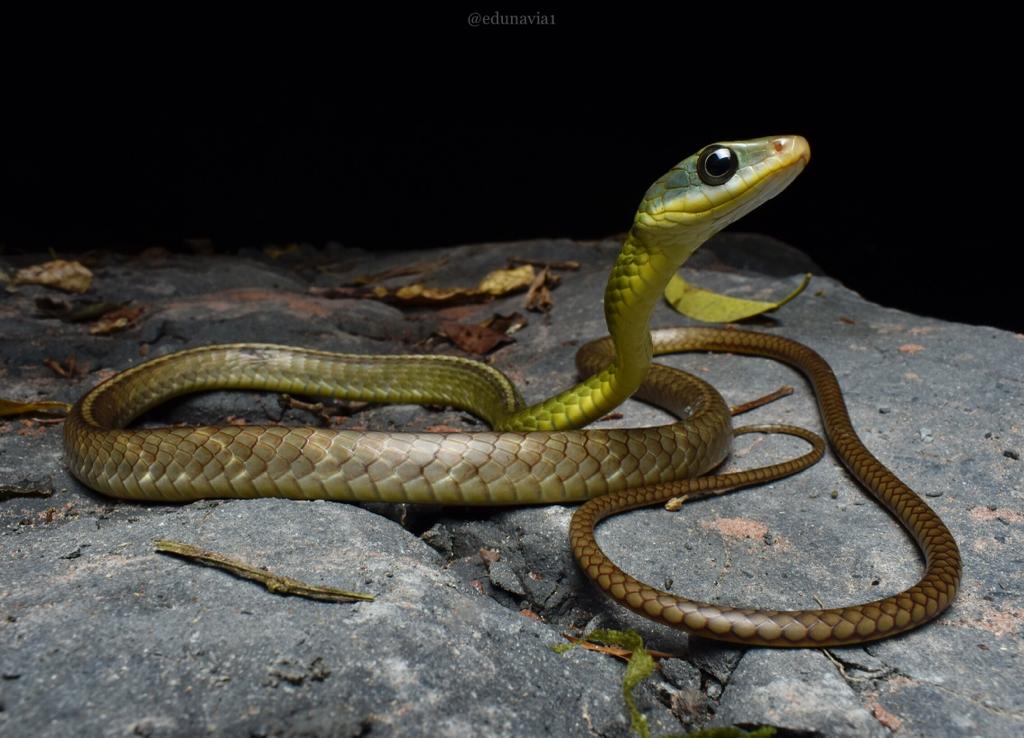
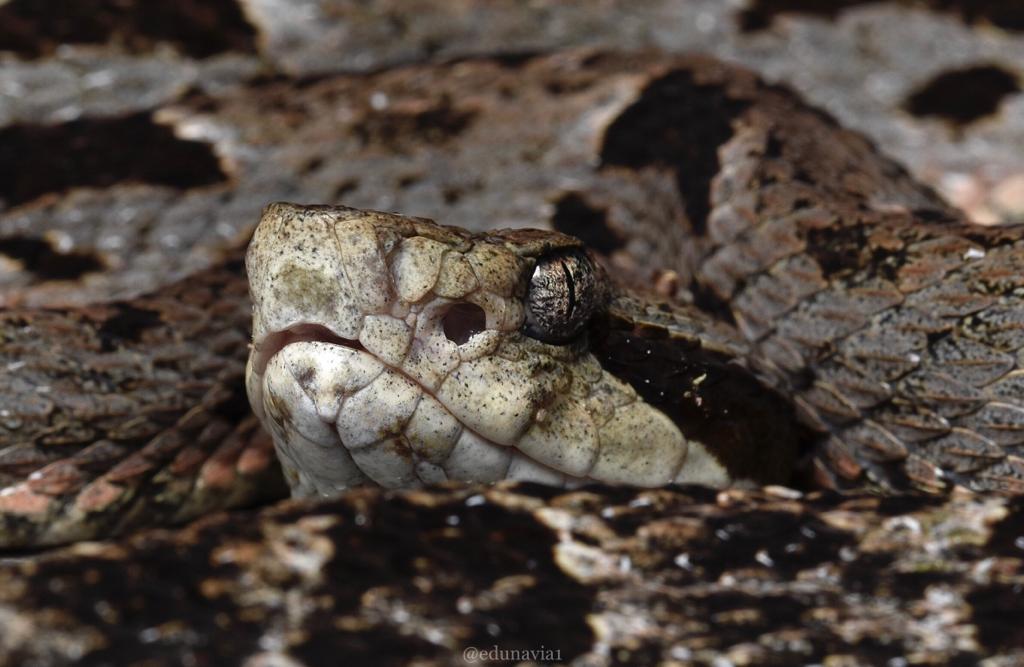
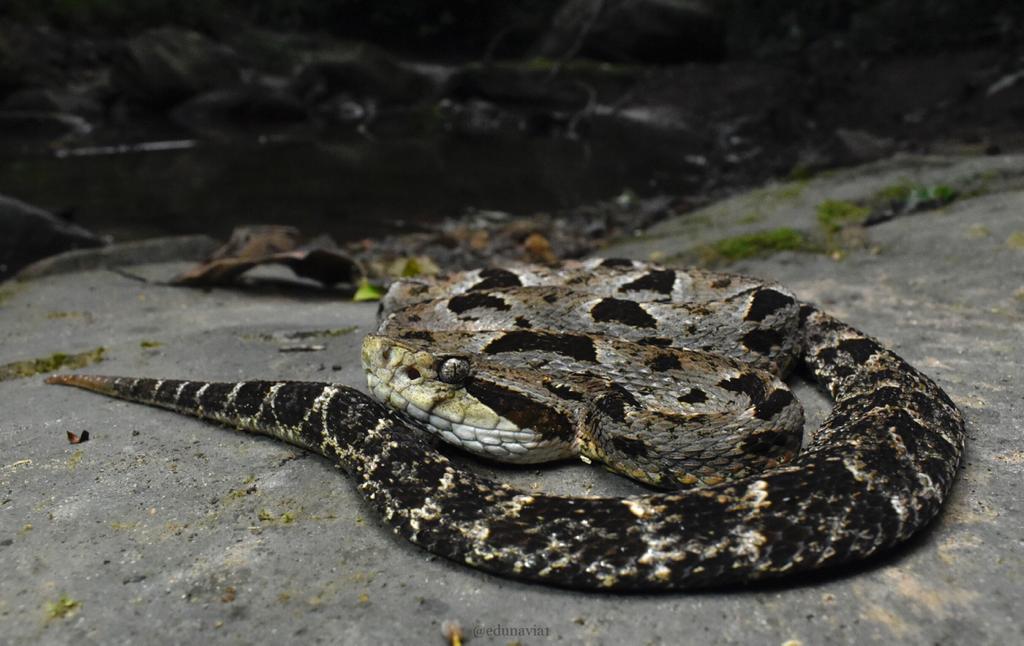
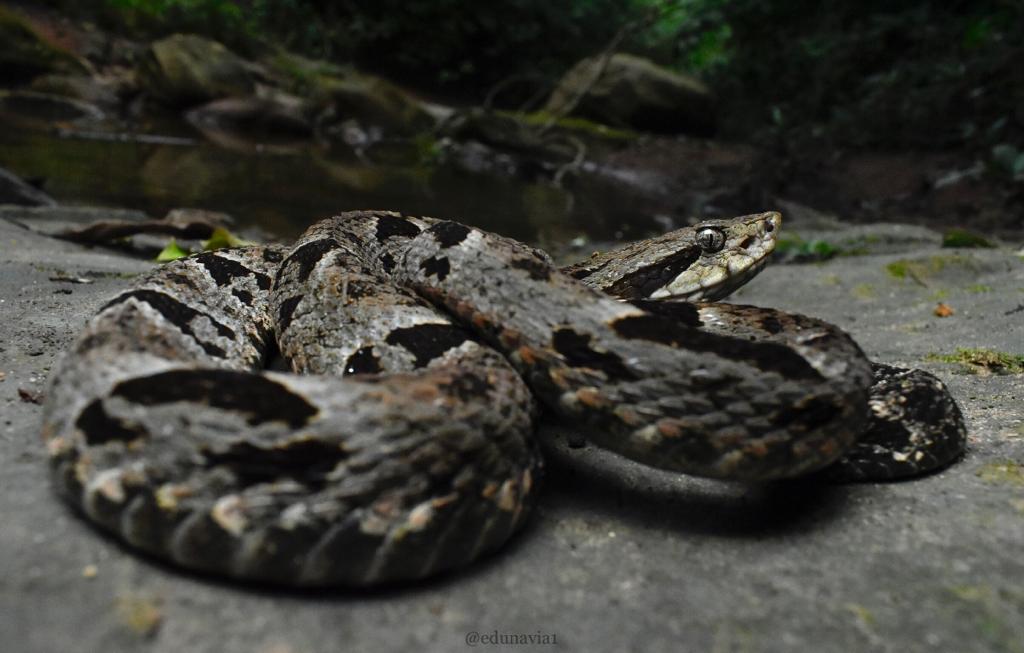
Here wildlife lives free: sightings are not staged, they are found with patience and silence.
Getting close to the Volcanes area and the reserve's shade-grown coffee.
Stay
The buildings favour local materials — stone, clay, sand and wood — and draw on natural light and ventilation without disturbing the calm of the landscape.
All the timber used comes from trees that fell or were damaged naturally within the territory itself.
To protect the quiet of the ecosystem, capacity is kept small: the first cabin has two independent rooms with private bathrooms and sleeps a maximum of six.
Check availabilityCafé Tigrenegro
The jaguar is colloquially called a tiger. In the Yanapuma legend its name is sometimes preceded by Tigrenegro, black tiger: two ways of saying the same thing. That is where the reserve's coffee takes its name.
The coffee was born of conservation, not the other way round. From forest to cup. 1% cultivated, 99% conserved.
The groves grow between 1,400 and 1,750 metres, in soils of different terroirs. The reserve has its own processing mill and a genetic bank of exotic varieties with high cup potential.
Ask about the coffeeOn the road to Samaipata.
Yanapuma sits in a setting tied to Amboró National Park. To protect the experience and prepare each visit properly, entry must be arranged in advance.